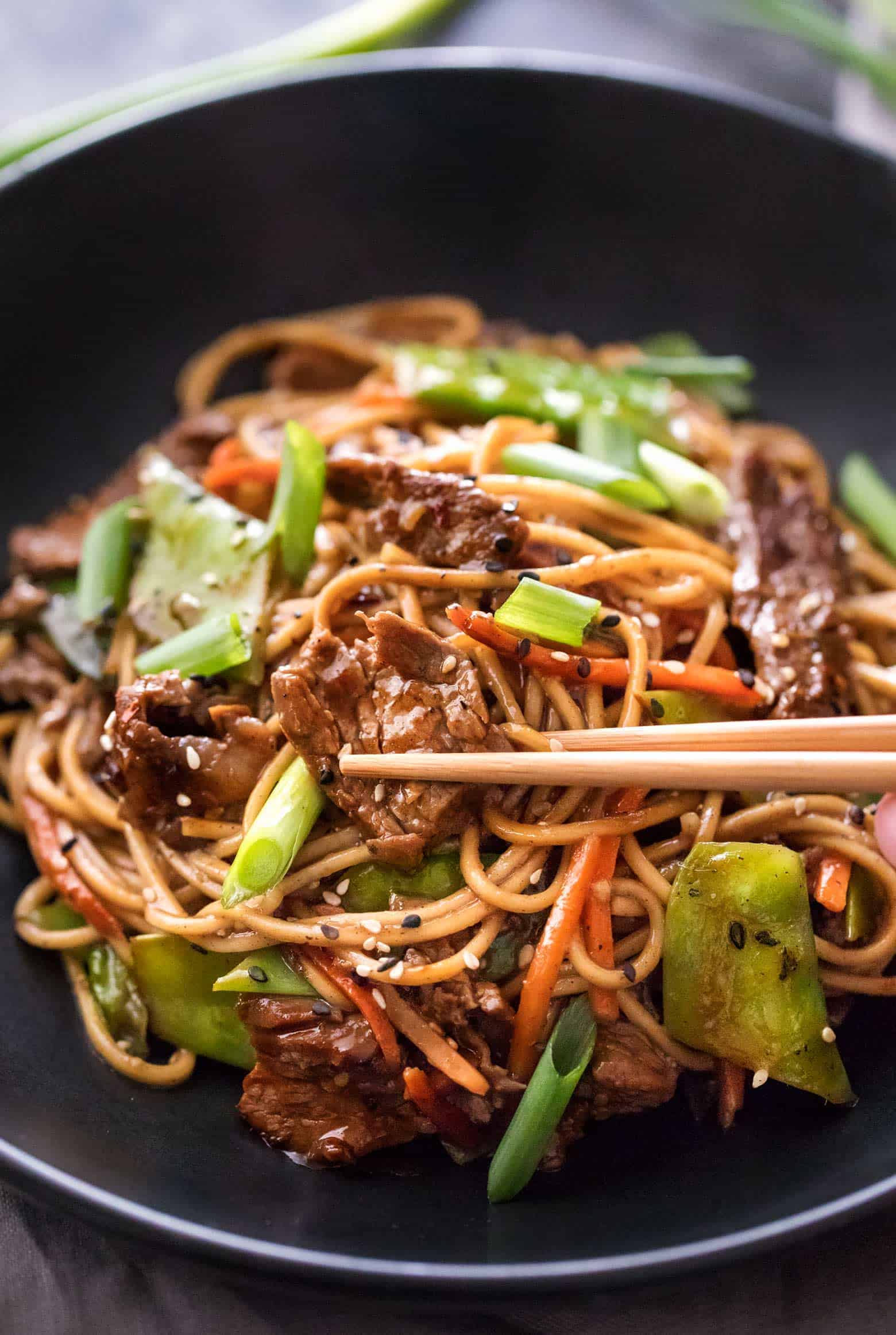
Customize Your Sesame Beef: Healthy Add-ins for Any Meal
There's something undeniably comforting and exciting about a well-made sesame beef stir fry. The tender strips of beef, coated in a rich, glossy sauce, often evoke memories of our favorite Chinese takeout. But what if you could recreate that magic at home, not just matching, but *surpassing* the takeout experience in flavor, freshness, and nutritional value? Even better, what if you could customize it to fit your exact dietary needs and taste preferences, turning it into a healthy and versatile meal for any occasion? The secret lies in understanding the core components of a great sesame beef recipe and then knowing how to intelligently add your own healthy twists.
Forget waiting for delivery; your ultimate homemade sesame beef stir fry is quicker, fresher, and infinitely more satisfying. This guide will walk you through transforming a delicious base into a nutritional powerhouse, packed with vibrant vegetables and exciting flavors that will make you rethink your takeout habit for good.
The Core of a Stellar Sesame Beef Stir Fry: Why Homemade Wins
The beauty of a homemade sesame beef stir fry lies in the control you have over every ingredient. You choose fresh, high-quality components, dictate the amount of sodium and sugar, and ensure a meal that's both delicious and genuinely good for you. The foundational elements of a perfect stir fry are simple but crucial:
- Tender Beef: The cornerstone of the dish. Flank steak, thinly sliced against the grain, is the preferred choice for its ability to cook quickly and remain juicy. A brief marinade tenderizes it further and infuses it with initial flavor.
- Sticky, Flavorful Sauce: This is where the magic happens. A well-balanced sauce that clings to every piece of beef and vegetable is paramount. The secret often lies in a judicious use of cornflour (cornstarch) to achieve that perfect, non-watery consistency. Ingredients like reduced-sodium soy sauce, honey (or another sweetener), fresh garlic, grated ginger, and, of course, sesame oil and seeds, create a symphony of sweet, savory, and nutty notes. For a deep dive into perfecting your sauce, check out our guide on Unlock Perfect Sesame Beef: Homemade Sticky Sauce Secrets.
- High-Heat Cooking: A characteristic of all great stir-fries, cooking the beef hot and fast ensures a beautiful sear, locking in juices and preventing toughness. This method also allows vegetables to retain their crisp-tender texture.
These core principles, when mastered, set the stage for an authentic and irresistible sesame beef stir fry. Many home cooks find that this homemade version, often ready in under 30 minutes, is not only healthier but also more flavorful than anything from a restaurant. If you're looking for a quick and easy recipe to get started, you might enjoy our article on
Easy 30-Minute Sesame Beef: Better Than Your Favorite Takeout.
Elevate Your Plate: Healthy Vegetable Add-ins for Your Sesame Beef Stir Fry
This is where you can truly unleash your creativity and boost the nutritional profile of your sesame beef stir fry. Vegetables add essential vitamins, minerals, and fiber, and their varied textures and colors make the dish even more appealing. The key is choosing vegetables that complement the existing flavors and can withstand the stir-frying process without becoming mushy.
Here are some excellent choices, along with tips for incorporation:
- Broccoli Florets: A classic for a reason. Broccoli adds a satisfying crunch and soaks up the sesame beef sauce beautifully. Its robust nature means it can be added relatively early in the stir-frying process (after the beef has seared) to ensure it cooks through to a tender-crisp stage. Nutritional perk: High in Vitamin C and K.
- Red or Yellow Capsicum (Bell Peppers): These bring natural sweetness and a vibrant pop of color. Their mild flavor blends seamlessly with the sauce. Add them after the broccoli, cooking until they soften slightly but still retain some bite. Nutritional perk: Excellent source of Vitamins A and C.
- Baby Bok Choy: For a fresher, slightly leafy element, baby bok choy is perfect. Add it towards the very end of cooking, after the sauce has been added and thickened. The stems will remain crunchy while the leaves gently wilt into the sauce, adding a delicate bitterness that balances the sweetness. Nutritional perk: Rich in Vitamin A, C, and K.
- Water Chestnuts: These provide a fantastic, unique crunch and a subtle sweetness. Slice or halve them and add them along with other hardier vegetables like broccoli. They remain crisp and juicy, offering a delightful textural contrast. Nutritional perk: Good source of fiber and potassium.
- Snow Peas or Snap Peas: These legumes offer a sweet crunch and require minimal cooking. Add them in the last few minutes of stir-frying to keep them bright green and crisp. Nutritional perk: High in fiber and Vitamin C.
- Carrots: Thinly sliced or julienned, carrots add sweetness and a vibrant orange color. They can be added with broccoli and capsicum. Nutritional perk: Packed with Vitamin A.
- Mushrooms (Shiitake, Cremini, or Button): Earthy and savory, mushrooms absorb the sauce wonderfully. Slice them and add them with the other vegetables, cooking until they release their moisture and brown slightly. Nutritional perk: Source of B vitamins and selenium.
- Green Beans or Asparagus: Cut into bite-sized pieces, these add a fresh, slightly grassy note. Blanch them briefly before adding to the stir fry for optimal texture, or simply add them with the other vegetables and cook until tender-crisp. Nutritional perk: Good source of fiber and Vitamin K.
When adding vegetables, remember the "mise en place" principle: have everything chopped and ready to go before you start cooking, as stir-frying moves very quickly. Always add harder, denser vegetables first, and softer, leafy greens last.
Beyond Beef: Exploring Protein Alternatives and Healthy Servings
While flank steak is traditional for sesame beef stir fry, you don't have to stick to it exclusively. Customizing your protein can be a great way to vary the dish, manage costs, or cater to different dietary preferences.
- Chicken or Pork: Thinly sliced chicken thighs or pork loin are excellent alternatives. Marinate them similarly to the beef, ensuring they are cut into uniform pieces for even cooking. Chicken thighs tend to stay juicier than breast meat in stir-fries.
- Shrimp: For a seafood twist, shrimp cooks incredibly fast. Add it towards the end of the stir-frying process, cooking just until it turns pink and opaque to prevent overcooking and toughness.
- Tofu or Tempeh: For a vegetarian or vegan version, extra-firm tofu or tempeh can be fantastic. Press the tofu to remove excess water, then cube and pan-fry or air-fry until golden and crispy before adding to the stir fry. Tempeh offers a nuttier flavor and firmer texture. Both absorb the sauce beautifully.
- Ground Turkey or Chicken: For a faster, more budget-friendly option, ground poultry can be used. Brown it thoroughly, drain any excess fat, then proceed with adding the sauce and vegetables.
How you serve your sesame beef stir fry also plays a significant role in its overall health profile.
- Steamed Rice: A classic pairing, opt for brown rice for extra fiber and nutrients.
- Authentic Ramen Noodles or Egg Noodles: A hearty and comforting option. Consider whole wheat varieties.
- Crisp Lettuce Cups: For a lighter, low-carb, and refreshing meal, spoon your stir fry into crisp lettuce cups (like butter lettuce or iceberg). This adds a wonderful freshness and crunch.
- Quinoa or Cauliflower Rice: Excellent alternatives for those looking for more protein, fiber, or a lower-carb option than traditional rice.
When serving, consider portion sizes to maintain a balanced meal. A good rule of thumb is a palm-sized portion of protein, a fist-sized portion of grains/starches, and a generous two-fist-sized portion of vegetables.
Mastering the Sesame Beef Sauce: Tips for Customization and Health
The sauce truly brings the sesame beef stir fry to life. While the core ingredients—reduced-sodium soy sauce, fresh garlic and ginger, sesame oil, and a touch of sweetness from honey—create a fantastic base, there's always room for personal touches and health adjustments.
- Sodium Control: Always opt for reduced-sodium soy sauce. You can further cut down on sodium by replacing some of the soy sauce with low-sodium chicken or vegetable broth. A dash of rice vinegar or lime juice can brighten the flavors, allowing you to use less salt overall.
- Sweetness Adjustment: Honey provides a beautiful richness. If you prefer less sugar, you can reduce the amount slightly or experiment with natural sweeteners like maple syrup, or a tiny pinch of stevia or erythritol if preferred. The goal is a balanced sweetness that doesn't overpower the savory and nutty notes.
- Adding Heat: For those who love a kick, a dash of sriracha, a pinch of red pepper flakes, or a thinly sliced fresh chili can be incorporated into the sauce. Add it to taste, starting with a small amount.
- Umami Boost: A tiny splash of mushroom soy sauce or a pinch of white pepper can deepen the umami profile without adding more sodium.
- Thickness: As the reference notes, cornflour (cornstarch) is key for a sauce that coats the beef beautifully instead of being watery. Always mix cornflour with a small amount of cold water or broth before adding it to the hot sauce to prevent lumps.
Experimenting with your sauce allows you to fine-tune the flavor profile to your exact liking, ensuring every bite of your homemade sesame beef stir fry is an absolute delight.
A Quick Guide to Customizing Your Sesame Beef Stir Fry
Making a customized sesame beef stir fry is straightforward once you have your ingredients prepped.
- Marinade the Beef: Combine thinly sliced flank steak with your marinade ingredients (soy sauce, a little sesame oil, minced garlic/ginger, a pinch of cornflour for tenderness). Let it sit for at least 15 minutes.
- Prepare Your Veggies and Sauce: While the beef marinades, chop all your chosen vegetables and whisk together your stir fry sauce ingredients. This "mise en place" is critical for stir-frying success.
- Sear the Steak: Heat your wok or large skillet over medium-high to high heat with a tablespoon of oil. Cook the beef in a single layer in batches if necessary, for 2-3 minutes until beautifully seared. Remove and set aside.
- Stir-Fry Vegetables: Add a little more oil if needed, then stir-fry your harder vegetables (broccoli, carrots) for a few minutes. Add softer ones (capsicum, mushrooms) next, then delicate greens (bok choy, snow peas) towards the end.
- Combine and Sauce: Return the seared beef to the pan with the vegetables. Pour in your prepared sauce. Stir continuously until the sauce thickens and coats everything evenly.
- Serve: Garnish with extra sesame seeds and fresh scallions, then serve immediately with your chosen base.
Conclusion
Customizing your sesame beef stir fry transforms a beloved takeout classic into a dynamic, healthy, and incredibly versatile meal. By choosing fresh ingredients, loading up on vibrant vegetables, exploring different protein options, and mastering your sauce, you gain complete control over flavor and nutrition. This homemade approach not only tastes superior but also empowers you to create a dish that perfectly fits your lifestyle and preferences, making every meal a celebration of wholesome, delicious food. So, skip the delivery app and embark on your own culinary adventure – your customized sesame beef stir fry awaits!